
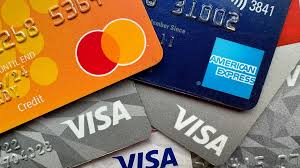
What makes credit the backbone of opportunity in America
Have you ever imagined how life would be without buying or selling? boring, I guess. Every economy requires buying and selling to grow and continue, because the constant exchange of goods and services creates the financial motion that sustains national prosperity and individual opportunity. When people participate in the marketplace by purchasing items, investing in businesses, or paying for services, they inject money back into the system in ways that support jobs, stimulate innovation, and empower communities to expand beyond their current limitations. This ongoing circulation of money strengthens the financial ecosystem by ensuring that businesses have the revenue they need to operate, governments have the tax base required to deliver public services, and families have the resources necessary to build stable and fulfilling lives. Without this continuous cycle of economic activity, the credit market would weaken dramatically, because lenders depend on active financial behavior to assess trustworthiness, allocate resources, and maintain the flow of credit that supports modern living.
The principle that buying and selling fuel economic growth becomes even more critical in America’s credit-driven economy where nearly every major financial milestone depends on the ability to demonstrate consistent participation in the marketplace. Because lenders evaluate creditworthiness through patterns of spending, repayment, and responsible financial engagement, individuals who actively take part in economic exchange naturally build stronger financial profiles that open the door to homeownership, entrepreneurship, and wealth creation. This relationship between economic participation and credit development means that every purchase, loan, and financial decision contributes to one’s long-term financial identity, shaping the opportunities available and the generational stability that can be created. When people understand this connection, they begin to see buying and selling not merely as transactions but as strategic actions that drive both personal advancement and the overall strength of the American economy.
Cash Vs credit
Cash buying and cash selling are naturally limited because only about ten percent of the money circulating within the American economy actually exists in a physical form, creating a ceiling on how far cash-based transactions alone can sustain national economic activity. When economic participation depends solely on physical currency, growth becomes restricted by the amount of cash available, making it difficult for families, businesses, and financial institutions to expand opportunities, pursue investments, or respond effectively to increasing economic demands.
Credit, on the other hand, expands the capability and transcends limits of cash transactions by allowing individuals and institutions to access money that goes far beyond the supply of physical cash, thereby increasing the speed, scale, and reach of economic activity. Through credit, people can buy homes, start businesses, build infrastructure, and invest in long-term projects, ultimately prolonging the life of the economy by enabling continuous growth even when physical money is insufficient to meet the needs of a modern financial system.